SERVICES · AI AGENTS

Agents that finish the work, not just start it.

Autonomous agents that reason over tools, recover from failure, and stay grounded in your data. Production-grade runtimes, not Jupyter demos.

127AGENTS IN PRODUCTION
92%MEDIAN AUTO-RESOLUTION
<800msP50 TOOL-CALL LATENCY
0ESCAPED HALLUCINATIONS

Real agents — boring in the best way.

We build agents that do exactly one job exceptionally well. Triage an insurance claim. Qualify an inbound lead. Run a research deep-dive and draft the memo. Each agent has a clear scope, a written rubric, and an evaluation harness that runs on every deploy.

We reject the 'general AI assistant' framing. Open-ended agents are unmeasurable, unshippable, and unhappy to own in production. Closed-ended agents are measurable, shippable, and — after two sprints of tuning — quietly better than the humans they replace at repetitive work.

We use LangGraph for orchestration, our own runtime for stateful memory, and Temporal for anything that must survive a restart. Every tool call is logged, replayable, and testable.

Twelve capabilities we ship by default.

01

Tool routing

Pick the right tool from a library of 50+ integrations with budget-aware planning.

02

Stateful memory

Short-term working memory + long-term embeddings indexed by user, thread, and task.

03

Parallel sub-agents

Fan out to specialist agents, aggregate, and return. Token-cost budgeting included.

04

Human-in-the-loop

Checkpoint to a human for approval on anything over a configurable risk score.

05

Structured output

Pydantic / Zod-validated output with automatic retries and schema repair.

06

Eval harness

Golden sets, judge models, regression alerts on every merge to main.

07

Observability

OpenTelemetry traces, token costs per request, and per-tool latency histograms.

08

Safety guards

Prompt-injection defense, PII redaction, jailbreak detection, policy enforcement.

09

Cost controls

Per-tenant token budgets, auto-fallback to cheaper models under load.

10

Multi-model

Claude / GPT / Gemini in the same runtime; pick per-step based on capability needs.

11

Audit logging

Every decision, tool call, and output — queryable, exportable, compliance-ready.

12

Graceful failure

Circuit breakers, dead-letter queues, and human escalation paths built in.
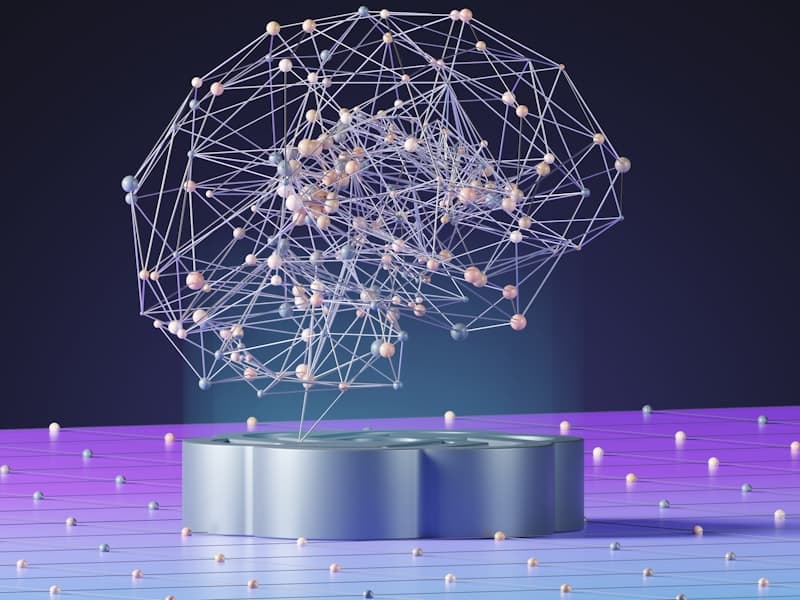
Five-layer reference architecture.

The pattern we've shipped across 127 production agents. We start here and customize — never the reverse.

  • Intake layer: normalize channels (chat, email, call, API) into a common event.
  • Planner: route to a specialist agent based on intent + context + risk score.
  • Executor: run tools via a controlled sandbox with token + time budgets.
  • Verifier: check output against the rubric; retry, repair, or escalate.
  • Persister: write decisions, traces, and audit events to durable storage.

Where we've deployed it.

How we'd scope this for you.

WEEK 1
Scope + eval
We write the rubric with you before we write the agent.
WEEK 2–4
Prototype
Working agent in your staging env, scoring against the rubric.
WEEK 5–8
Production
Deploy, monitor, iterate. Shadow mode first, then cutover.
ONGOING
Optimize
Monthly evals, model upgrades, rubric tuning.

Ready to ship ai agents?

We'll scope your first use case in a 30-minute call and come back with a written proposal within 72 hours.